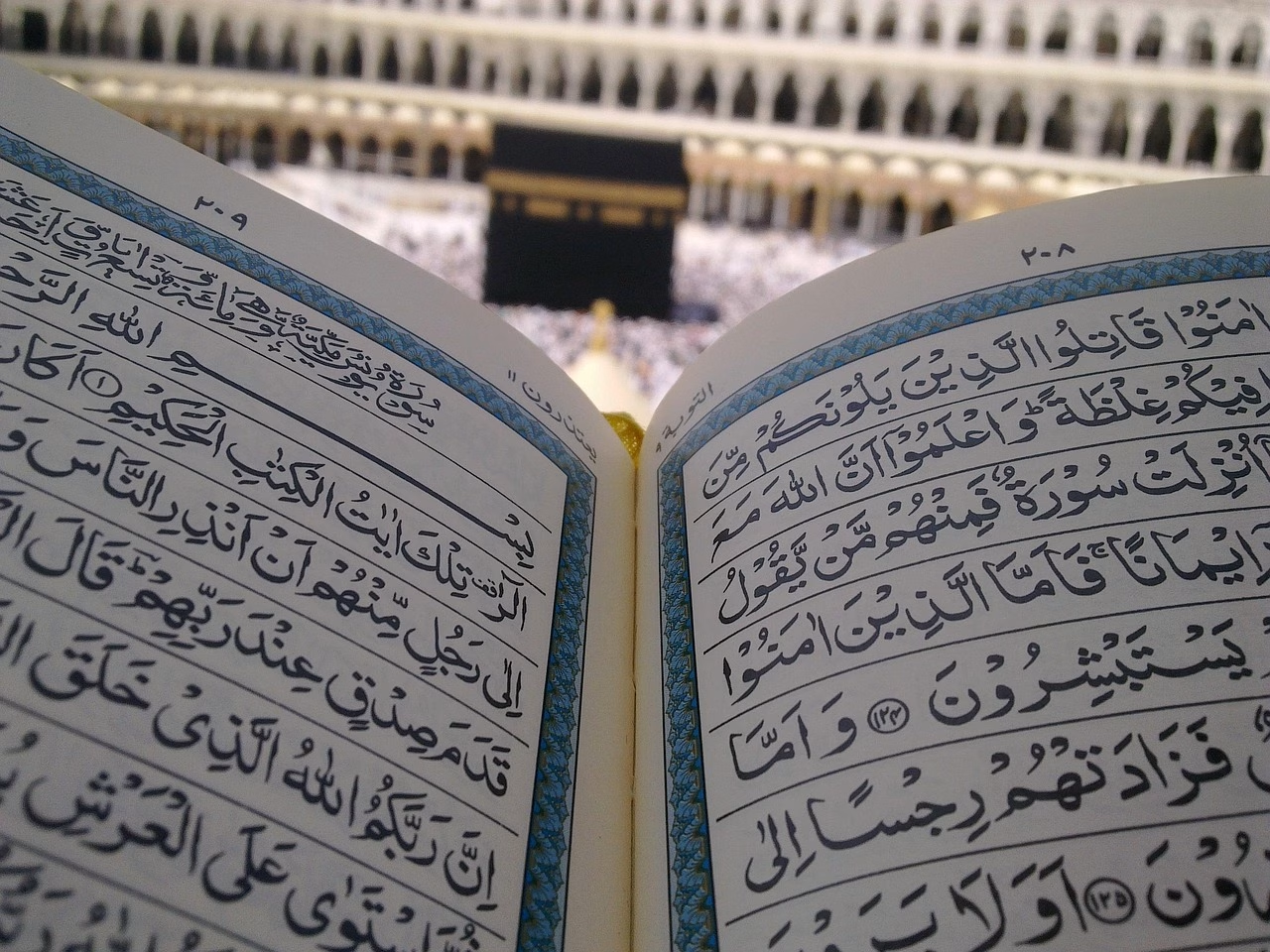
Do Sajdon Ke Darmiyan Ki Dua With Sahih Hadees & Meaning
Introduction to Dua Between Two Sajdahs
In every Salah, believers recite various duas that strengthen their connection with Allah. One of the lesser-discussed yet highly significant supplications is the dua between two sajdahs (Do Sajdon Ke Darmiyan Ki Dua). It is authentically reported that the Prophet ﷺ regularly recited this dua between two sajdahs, making it a highly recommended Sunnah.
This dua is not just words; it is a moment of reflection and humility, where we pause in prayer and ask Allah for forgiveness, mercy, guidance, and sustenance.
Authentic Dua Between Two Sajdahs
Short Version (Narrated in Sahih Hadith):
Arabic:
رَبِّ اغْفِرْ لِي، رَبِّ اغْفِرْ لِي
Transliteration:
Rabbighfir li, Rabbighfir li
Translation:
O Allah, forgive me. O Allah, forgive me.
Longer Version (Reported in Sunan Abu Dawood, Tirmidhi):
Arabic:
اَللّٰهُمَّ اغْفِرْ لِيْ، وَارْحَمْنِيْ، وَاهْدِنِيْ، وَعَافِنِيْ، وَارْزُقْنِيْ
Transliteration:
Allahumma ighfir li, warhamni, wahdini, wa’afini, warzuqni
Translation:
O Allah, forgive me, have mercy on me, guide me, grant me health, and provide for me.
✅ Both versions are authentic. The short one is simple and easy to memorize, while the longer one adds more comprehensive requests.
Do Sajdon Ke Darmiyan Ki Dua With Sahih Hadees
Several hadith collections mention this supplication:
- Sunan Abi Dawud 850: Narrated Abdullah ibn Abbas: The Prophet (ﷺ) used to say between the two prostrations: “O Allah, forgive me, have mercy on me, guide me, heal me, and provide for me.”
- Jami` at-Tirmidhi 284: Ibn Abbas narrated:”Between the two prostrations, the Prophet would say: (Allahummaghfir li, warhamni, wajburni, wahdini, warzuqni). ‘O Allah! Pardon me, have mercy on me, help me, guide me, and grant me sustenance’.”
- Ibn Majah (898): Confirms the authenticity of the longer version.
Imam Nawawi and Ibn Taymiyyah graded these ahadith as authentic, and scholars agree that this dua is part of the Sunnah prayers of the Prophet ﷺ.
Meaning and Explanation of the Dua
Let’s break down the longer dua:
- Allahumma ighfir li → O Allah, forgive me.
- Warhamni → Have mercy on me.
- Wahdini → Guide me to the straight path.
- Wa’afini → Grant me health and protection from harm.
- Warzuqni → Provide me with lawful sustenance.
👉 This shows how comprehensive the dua is—it covers spiritual, physical, and worldly needs in one short supplication.
Should We Recite This Dua? (Do Sajdon Ke Darmiyan Ki Dua Padhna Chahiye?)
Yes, scholars strongly recommend reciting it because:
- It is proven from authentic hadith.
- It was a regular practice of the Prophet ﷺ.
- It emphasizes humility and reflection in Salah.
It is not obligatory (wajib) but is a confirmed Sunnah. Some hadith scholars grade the narrations as authentic (Sahih) or good (Hasan). Skipping it does not invalidate Salah, but reciting it is highly recommended and follows the Sunnah of the Prophet ﷺ.
Benefits of Reciting Dua Between Two Sajdahs
- Spiritual Benefits: Constantly asking for forgiveness keeps the heart soft and humble.
- Psychological Benefits: Pausing in prayer helps calm the mind and prevents rushing through Salah.
- Connection with Allah: Covers essential aspects of life—spiritual guidance, health, provision, and mercy.
Step-by-Step: How to Recite the Dua in Salah
- Perform the first sajdah as usual.
- Sit in the jalsah (sitting posture) calmly.
- Place your hands on your thighs.
- Recite the dua (short or long version).
- After finishing, move into the second sajdah.
✅ Remember: Do not rush. The Prophet ﷺ instructed us to pause properly between two sajdahs.
Common Mistakes People Make
- Skipping the dua completely out of haste.
- Reciting unauthentic versions not proven by Hadith.
- Mispronouncing Arabic words, which changes meaning.
- Rushing the sitting between sajdahs without calmness.
FAQs on Dua Between Two Sajdahs
Q1: What is the shortest version of the dua?
The shortest version is “Rabbighfir li, Rabbighfir li” (O Allah, forgive me).
Q2: Can we recite the longer version instead?
Yes, both versions are authentic, and the longer version is more comprehensive.
Q3: Is this dua wajib or Sunnah?
It is a confirmed Sunnah, not wajib. Salah is valid without it, but better with it.
Q4: Can it be recited in all Salah types (Fard, Sunnah, Nafl)?
Yes, it can and should be recited in every Salah.
Q5: What if I don’t know the dua in Arabic yet?
If you do not know the Arabic, start by memorizing the short version ‘Rabbighfir li.’ Until then, some scholars allowed reciting the meaning in your language as a temporary measure, but the correct and recommended practice is to recite it in Arabic during Salah.
Q6: Did the Prophet ﷺ always recite this dua?
Yes, authentic narrations confirm he never skipped it.
Conclusion and Final Reminder
The Dua between two sajdahs is a beautiful Sunnah that reflects humility, gratitude, and reliance on Allah. By reciting it, we not only follow the Sunnah but also ask Allah for forgiveness, mercy, guidance, health, and provision in every Salah. Memorize it, practice it daily, and teach it to others.
Author Profile

- Mohammed Aman Khan is a student of Islamic knowledge who writes about authentic duas and supplications from the Qur’an Majeed and Sunnah. His aim is to make Islamic teachings simple and accessible for Muslims around the world. With a deep respect for Sunni scholarship, he shares duas that help believers strengthen their faith, find peace in hardship, and grow closer to Allah through sincere remembrance.
Latest Islamic Post
 Hajj and UmrahSeptember 23, 2025What are the Perks of Choosing an Umrah Package?
 Important Duas for Daily LifeAugust 25, 2025Do Sajdon Ke Darmiyan Ki Dua | Authentic Hadith, Text & Meaning
 Important Duas for Daily LifeAugust 23, 2025Humbistari ki Dua: Islamic Dua for Marriage Intimacy and Protection
 Important Duas for Daily LifeAugust 22, 2025Dua for Parents | Quranic Supplications & Benefits
Related Islamic posts:
 Good Morning Dua in Urdu | Start Your Day with Barakah
 Islamic Duas for the Deceased From the Quran and Sunnah
Istighfar Dua Guide | Seeking Forgiveness in Islam
 Dua for Journey | Essential Protection for Road & Flight Travel
Nazar Ki Dua in English | Authentic Islamic Evil Eye Protection
Doodh Peene Ki Dua | Sunnah, Benefits & Etiquettes in Islam
